Hyperpigmentation is one of those concerns that's easy to underestimate until it's the thing you notice every time you look in the mirror. Dark spots, uneven tone, patches that won't fade no matter what you put on them. It's not a skin type issue and it's not a sign that something is wrong. It's one of the most common skin concerns across all complexions, and it responds well to the right treatment.
Chemical peels are one of the most effective tools we have for hyperpigmentation at Infinite Med Spa in Slidell, LA. Not because they cover anything up, but because they work with your skin's renewal process to clear out the discoloration that's already there and slow down the cycle that keeps producing more.
Here's what you need to know.
What Hyperpigmentation Actually Is
Hyperpigmentation is an umbrella term for any area of skin that appears darker than the surrounding tissue. It happens when melanin, the pigment that gives skin its color, is overproduced in a localized area. That overproduction is triggered by a few different things:
Sun damage is the most common cause. UV exposure stimulates melanin production as a protective response, and years of that exposure accumulate as dark spots, freckling, and uneven tone that deepens over time.
Post-inflammatory hyperpigmentation (PIH) is the dark marks left behind after inflammation, most commonly from acne breakouts. When a pimple heals, the skin sometimes overproduces melanin in the affected area as part of the repair process. The breakout clears and the mark stays.
Melasma is a specific pattern of hyperpigmentation, typically appearing as larger patches across the cheeks, forehead, or upper lip, and is strongly linked to hormonal changes. Pregnancy, birth control, and hormonal fluctuations can all trigger it.
Understanding which type of hyperpigmentation you're dealing with matters, because it influences which peel formulation is most appropriate and what realistic results look like. That's a conversation we have at your consultation before any treatment begins.
How Chemical Peels Address Hyperpigmentation
Hyperpigmentation lives in the outer layers of the skin. That's actually good news, because it means treatments that work at the surface level can reach it.
A chemical peel works by applying a solution that breaks down the bonds holding dead and damaged skin cells together. As that outer layer is removed, the pigmented cells responsible for dark spots and uneven tone go with it. Underneath is fresher, more evenly toned skin that hasn't accumulated the same level of damage.
At the same time, peels accelerate cell turnover, which means new, healthy skin cells are being generated faster than they would be on their own. For hyperpigmentation specifically, that accelerated turnover is what produces progressive improvement across multiple sessions as each one removes another layer of discolored cells and brings brighter skin closer to the surface.
For patients dealing with post-inflammatory hyperpigmentation from acne, peels also work well alongside microneedling and Aerolase laser as part of a broader treatment plan. You can read more about how those treatments address both active acne and the marks it leaves behind in our acne scar treatment guide.
Which Type of Hyperpigmentation Responds Best to Peels
Not all hyperpigmentation responds the same way, and being honest about this upfront is part of how we work at Infinite Med Spa.
Sun damage and dark spots respond very well to chemical peels. The discoloration is typically concentrated in the upper layers of skin, which is exactly where peels work best. Consistent treatment produces significant, visible fading over time.
Post-inflammatory hyperpigmentation also responds well, particularly when peels are combined with other treatments targeting the deeper pigment and the underlying inflammation. For patients dealing with both active breakouts and dark marks, sequencing matters and your provider will help you figure out the right order.
Melasma is more complex. It responds to peels but is more prone to rebounding, particularly with sun exposure, which means it requires a more careful approach and consistent sun protection as a non-negotiable part of the plan. Melasma treatment at Infinite Med Spa is always discussed in detail at your consultation so you go in with realistic expectations about the timeline and the maintenance involved.
An Important Note on Deeper Skin Tones
Hyperpigmentation is more common and often more pronounced in deeper skin tones, and it's also the area where the wrong treatment causes the most damage. Certain peel formulations and depths can trigger additional post-inflammatory hyperpigmentation if applied incorrectly to a deeper complexion, which is the opposite of the outcome anyone wants.
At Infinite Med Spa, every peel is customized based on your skin type and tone before anything is applied. Chemical peels are performed under the clinical oversight of Paula Bland, NP, and the formulation, strength, and aftercare plan are all chosen based on what we see in front of us, not a standard protocol.
Safe, inclusive care for all skin types and tones is something we take seriously here. If you've been nervous about getting a peel because of your skin tone, or had a bad experience elsewhere, come in and have that conversation with us. The answer may be very different than what you've heard before. You can also visit our Your Needs page to explore treatment options by concern before you book.
What to Expect From Treatment
Results from a single peel are noticeable but build meaningfully with a series. Most patients dealing with hyperpigmentation see the best outcomes from a consistent plan of three to six sessions spaced four to six weeks apart, which aligns with the skin's natural cell turnover cycle.
After each session, you may experience some mild flaking or shedding as the treated skin lifts away. This is normal and is actually the process working. By the end of the first week following each peel, most patients notice a brighter, more even tone emerging.
Between sessions, the two most important things you can do are keep your routine simple and wear SPF every single day. Sun exposure is the fastest way to undo peel results and, for hyperpigmentation specifically, to trigger new discoloration in treated areas. Our summer skin care guide covers sun protection in more detail if you're navigating treatment during Northshore summers.
How Peels Fit Into a Broader Hyperpigmentation Plan
For some patients, chemical peels alone are enough to achieve the result they're looking for. For others, they're most effective as part of a plan that includes additional treatments targeting different layers of the skin.
Aerolase laser reaches deeper pigment that peels alone can't access and is particularly effective for sun damage, melasma, and post-inflammatory hyperpigmentation. It's also FDA-cleared for all Fitzpatrick skin types I through VI, which makes it one of the safest laser options for deeper complexions dealing with pigmentation. Infinite Med Spa is the only provider of the Aerolase Neo Elite on the entire Northshore. You can read more about what it treats in our full Aerolase guide.
Facials customized for pigmentation concerns are another strong complement, particularly for patients who want consistent skin maintenance between more targeted treatment sessions.
The right combination for you depends on your specific type of hyperpigmentation, your skin tone, and how much you want to address. We'll map that out at your consultation.
Frequently Asked Questions About Chemical Peels for Hyperpigmentation in Slidell, LA
How many peels will I need to see a difference in my dark spots? Most patients notice improvement after their first session and see more significant fading over a series of three to six treatments. For deeper or more established hyperpigmentation, the full plan takes longer but the results are meaningful and lasting with consistent sun protection between sessions.
Will a chemical peel make hyperpigmentation worse? The wrong peel applied incorrectly can. This is exactly why the formulation and depth matter and why every patient at Infinite Med Spa goes through a consultation before treatment begins. When the right peel is used for your skin type and tone, the risk of worsening pigmentation is minimal.
Is there downtime after a peel for hyperpigmentation? Most patients experience mild flaking or shedding over the days following treatment, which is the process working. Most return to their normal routine the same day with the understanding that their skin may look a little uneven during the shedding phase before clearing.
Can chemical peels treat melasma? Yes, though melasma requires a more careful and consistent approach than other types of hyperpigmentation. It's prone to returning with sun exposure, which means maintenance and SPF are a long-term commitment alongside treatment. We'll discuss realistic expectations for melasma specifically at your consultation.
What is the best med spa for hyperpigmentation treatment in Slidell, LA? Infinite Med Spa offers fully customized chemical peels under the clinical oversight of Paula Bland, NP, with safe, effective options for all skin types and tones and a perfect 5-star Google reputation on the Northshore. You can also read our best chemical peels in Slidell guide and our complete chemical peels overview for more context before you book.
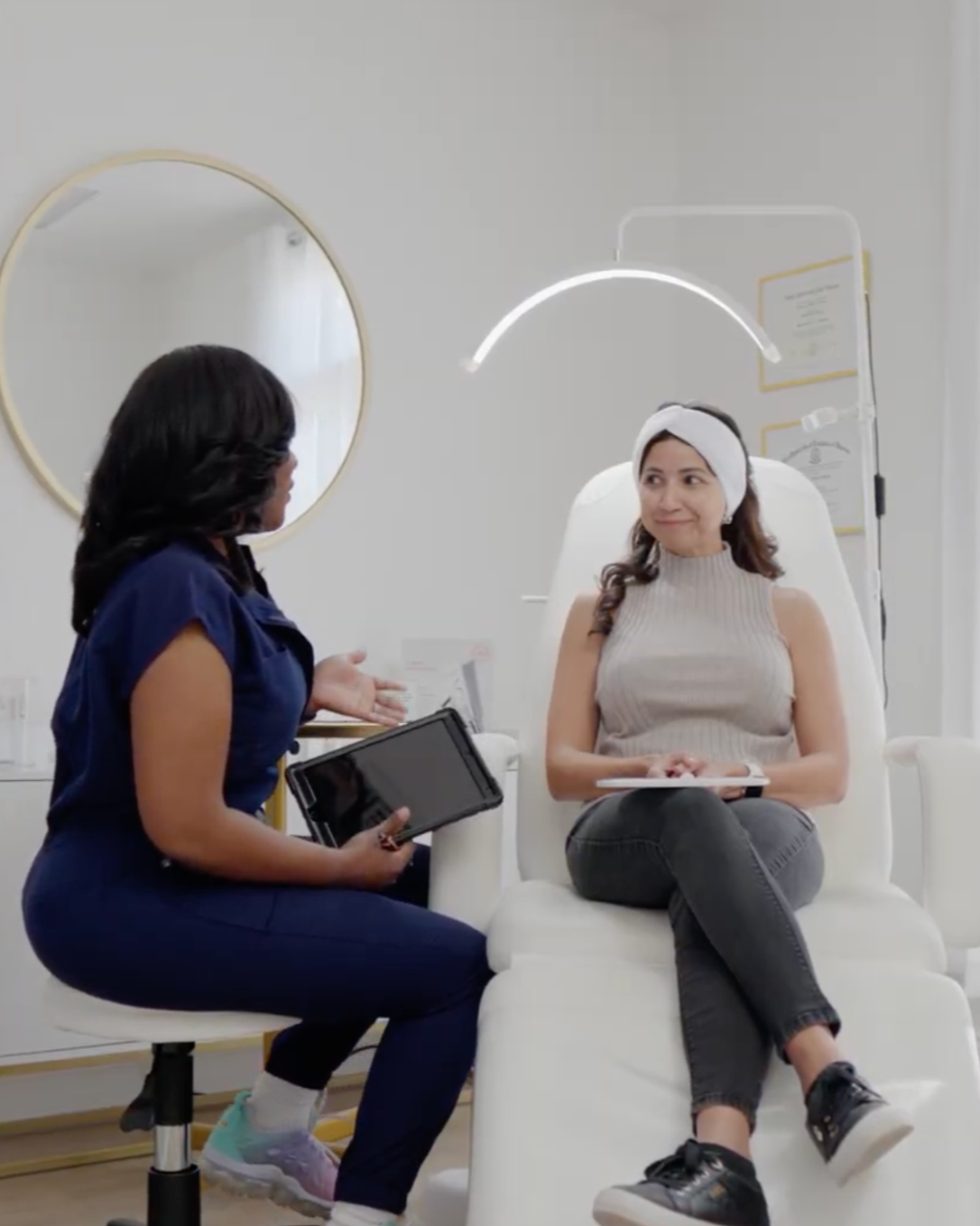
Ready to Start Treating Your Hyperpigmentation in Slidell, LA?
Dark spots and uneven tone are some of the most treatable skin concerns we see. At Infinite Med Spa, we'll assess your skin, identify what type of hyperpigmentation you're dealing with, and build a plan that actually addresses it.
Call or text (985) 645-6193 or send us a DM to book. You can also tap Book Now to get started online.
Initial consultation required. Results vary and treatment plans are personalized.