Everything You Should Know About Chemical Peels
"Chemical peel" is one of those phrases that sounds more dramatic than the actual treatment. People picture raw, red skin and a week of hiding indoors. In reality, most peels are mild, manageable, and a lot more approachable than the name suggests.
It's also one of the most searched skin treatments out there, which means a lot of people are curious but unsure where to start. Here's the real breakdown. No jargon, no scare tactics, just what a chemical peel actually does, what the different types mean, and how to know if it's worth adding to your routine.
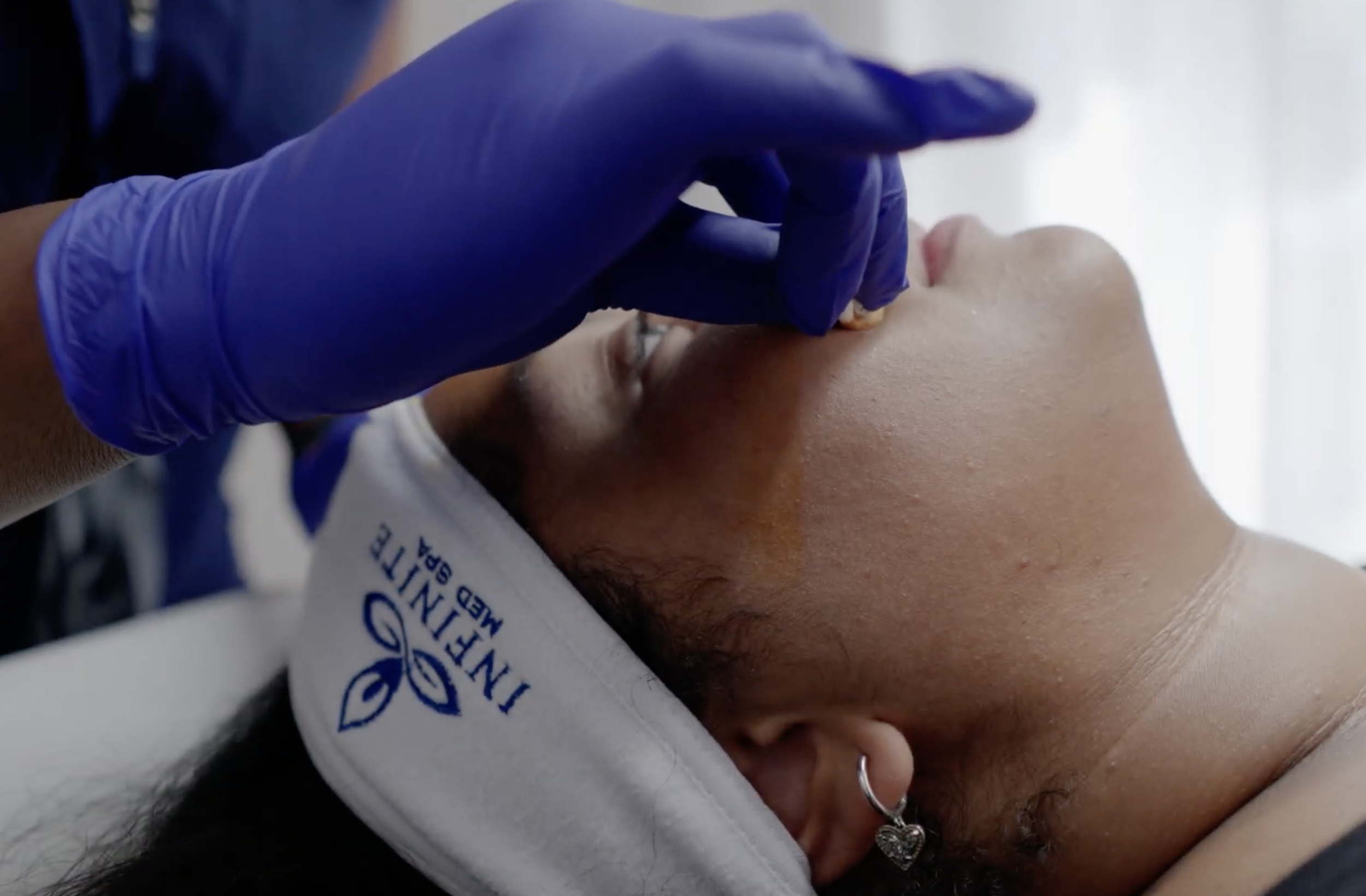
What Is a Chemical Peel, Exactly?
A chemical peel is a professional treatment that uses a solution to exfoliate the outer layers of skin. As that top layer lifts away, it reveals fresher skin underneath and signals your body to ramp up its natural renewal process. That's really it. It's controlled, intentional exfoliation that goes deeper than anything you could do with an at-home scrub or cleanser.
Peels have been used in skin care for decades because the concept works. Removing the damaged, dull, or uneven outer layer of skin gives the healthier layer underneath a chance to come through.
What Are the Different Types of Chemical Peels?
This is one of the most common points of confusion, and it matters because the type of peel determines what kind of results you can expect.
Light peels work on the very surface of the skin. They typically use mild acids like glycolic or lactic acid and are designed for brightness, hydration, and a quick refresh. There's usually no visible peeling and little to no downtime, which makes light peels a popular option for people trying peels for the first time or wanting consistent, low-commitment maintenance.
Medium depth peels go further into the skin and are used to address more noticeable concerns like pigmentation, sun damage, and textural irregularities. These peels often involve some visible peeling or flaking over the days following treatment as the skin sheds more noticeably.
Deep peels reach the deepest layers of skin and are reserved for significant concerns like deep wrinkles or extensive sun damage. These are far less common in a typical med spa setting and usually involve more downtime and a longer recovery process.
Most clients fall into the light to medium range, and the right depth for you depends on your skin, your goals, and how much downtime you're comfortable with.
What Does a Chemical Peel Actually Help With?
Peels are popular because they're genuinely versatile. A professional chemical peel may help with:
Dull or tired-looking skin
Dark spots and hyperpigmentation
Sun damage and uneven tone
Fine lines and early signs of aging
Rough or uneven texture
Mild acne and post-breakout marks
Melasma and discoloration
Enlarged pores
Results build over time and are usually more noticeable with a series of treatments rather than a single session, especially for concerns like pigmentation or melasma.
Do Chemical Peels Hurt?
Most people feel a tingling or warming sensation during the treatment, sometimes described as mild stinging that fades quickly. It's generally well tolerated, and any discomfort during the actual application is brief. Afterward, your skin may feel tight or sensitive for a short period, similar to mild sunburn, depending on the strength of the peel.
Deeper peels come with more noticeable sensation and more visible peeling in the days after, but for light and medium peels, most clients describe the experience as far more manageable than they expected going in.
Is There Downtime After a Chemical Peel?
It depends entirely on the depth of the peel. Light peels typically involve little to no visible downtime beyond some mild dryness or sensitivity. Medium peels often involve a few days of noticeable flaking or peeling as the skin sheds. Deep peels involve a longer recovery window and are far less common outside of more intensive clinical settings.
A good provider will always walk you through exactly what to expect for the specific peel you're getting, because "downtime" looks very different depending on the strength of the treatment.
Are Chemical Peels Safe for All Skin Types and Tones?
This is one of the most important questions to ask before booking, and the honest answer is that it depends on the peel and the provider.
Certain acids and peel formulations carry more risk for deeper skin tones, particularly when it comes to triggering post-inflammatory hyperpigmentation if the wrong peel is used or the skin isn't properly assessed beforehand. That doesn't mean deeper skin tones can't get peels. It means the formulation, strength, and aftercare need to be matched thoughtfully to the individual.
At Infinite Med Spa in Slidell, every peel is customized based on skin type and tone before treatment begins. Safe, effective care across all complexions is something we take seriously, not an afterthought.
How Often Should You Get a Chemical Peel?
For general maintenance and a consistent glow, many clients do well with a peel every four to six weeks. This timing lines up with the skin's natural renewal cycle and helps prevent dullness and congestion from building back up between sessions.
If you're targeting a more specific concern like hyperpigmentation or acne scarring, your provider may recommend a different cadence to start, often with peels spaced closer together initially and then transitioning to a maintenance schedule once you see the results you're after.
What Should You Do Before and After a Chemical Peel?
Before your peel:
Avoid retinoids, exfoliating acids, and any harsh actives for several days leading up to your appointment, since these can increase sensitivity. Let your provider know about any medications, especially anything photosensitizing, and avoid significant sun exposure beforehand.
After your peel:
Sunscreen is non-negotiable, every day, no exceptions. Your skin is more vulnerable to UV damage immediately following a peel. Avoid picking at any peeling or flaking skin, even though the temptation is real, since this can lead to irritation or scarring. Keep your routine simple and hydrating for the first several days, and skip any other exfoliating products until your skin has fully settled.
Can You Combine Chemical Peels With Other Treatments?
Often, yes. Peels are frequently paired with treatments like microneedling, laser treatments, or facials as part of a broader skin care plan, though timing matters. Combining treatments too close together can overwhelm the skin, so spacing and sequencing should always be guided by your provider based on what you're trying to achieve.
For acne and acne scarring specifically, peels work especially well alongside microneedling and Aerolase laser. You can read more about how those treatments work together in our guide to acne and acne scar treatment.
Frequently Asked Questions About Chemical Peels
How long do chemical peel results last? Results vary depending on the depth of the peel and your skin care routine afterward. Light peels offer more of a temporary refresh, while medium peels and consistent treatment series tend to produce longer-lasting improvements in tone and texture.
Can I wear makeup after a chemical peel? Most providers recommend waiting at least 24 hours, and longer if there's visible peeling, to avoid irritating the skin while it's healing. Your provider will give you specific guidance based on the peel you received.
Will my face actually peel after the treatment? It depends on the depth of the peel. Light peels often involve little to no visible peeling. Medium peels typically cause some flaking over the following days. This is a normal part of the renewal process, not a sign that anything went wrong.
Are chemical peels better than microdermabrasion? They work differently rather than one being universally better. Chemical peels exfoliate using a solution and can penetrate deeper depending on strength, while microdermabrasion physically exfoliates the surface. Many providers recommend one or the other, or a combination, based on your specific skin concerns.
What is the best place to get a chemical peel in Slidell, LA? Infinite Med Spa offers fully customized chemical peels for all skin types and tones, with a perfect 5-star Google reputation on the Northshore. You can learn more about our specific peel offerings and pricing in our guide to the best chemical peels in Slidell, LA.
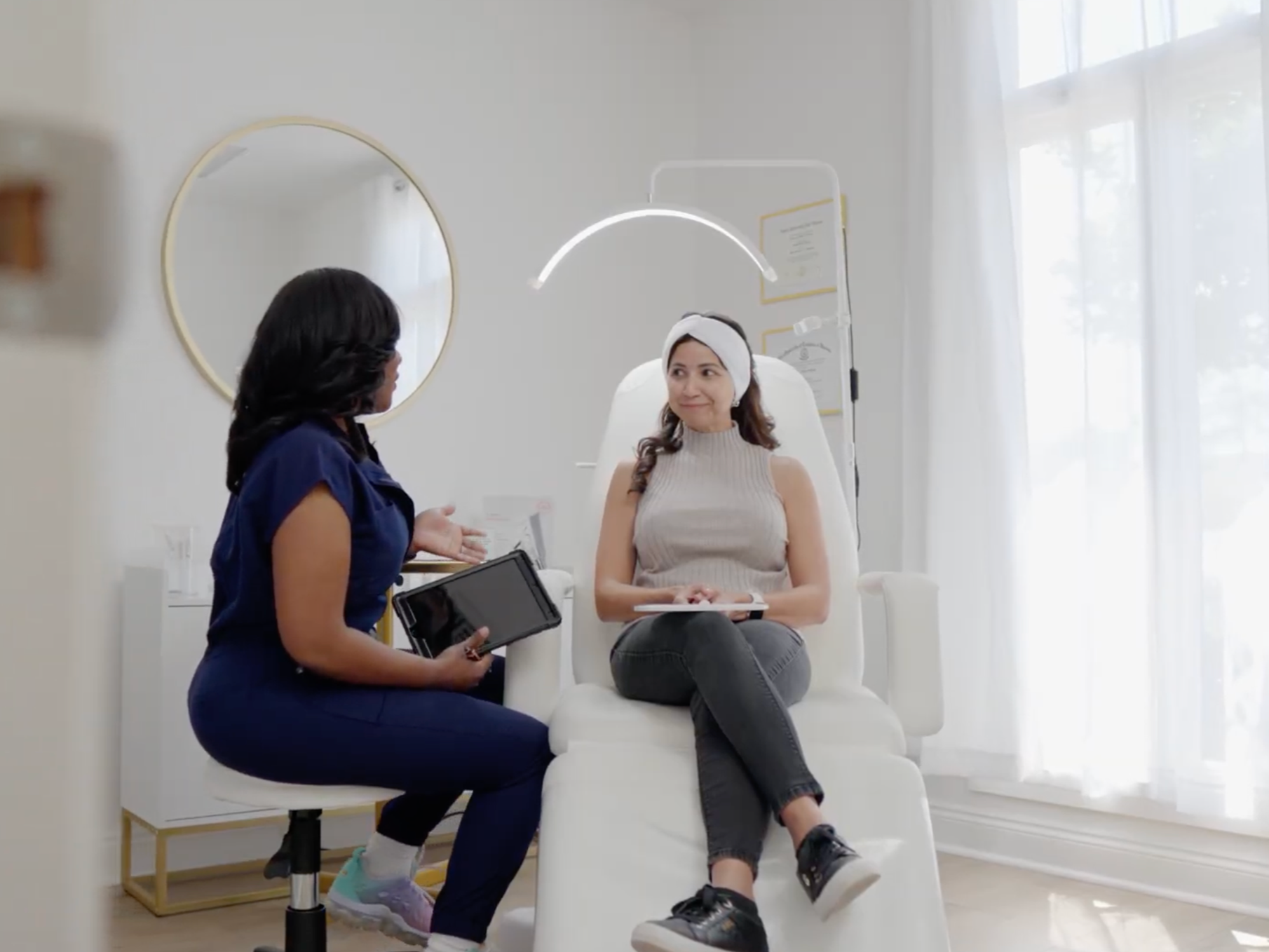
Ready to Find the Right Peel for Your Skin?
Chemical peels are one of the most accessible and effective ways to reset your skin, but the right peel for you depends on your specific skin type, tone, and goals. At Infinite Med Spa in Slidell, we'll assess your skin and recommend a peel and a plan that actually makes sense for you.
Call or text (985) 645 6193 or send us a DM to book or visit our booking portal here.
Initial consultation required. Results vary and treatment plans are personalized.
Infinite Med Spa | 370 Gateway Dr Suite B, Slidell, LA 70461